

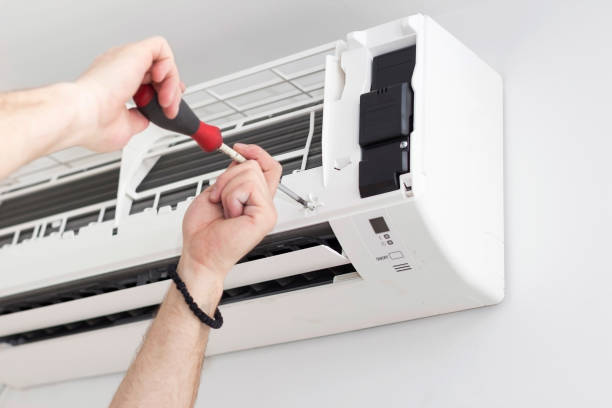
Regular maintenance of your heating and air conditioning (HVAC) systems is essential for long-term reliability, energy efficiency, and comfort. Neglecting these systems can lead to unexpected breakdowns, costly repairs, and decreased indoor air quality. Proper servicing not only extends the life of your equipment but also ensures that it operates at peak performance year-round. Below, we explore the importance of servicing your HVAC systems, key benefits you can expect, and tips to maintain optimal functionality.
Why Regular HVAC Maintenance is Crucial
- Dust-clogged filters and dirty components force your system to work harder than necessary, consuming more energy in the process.
- Well-maintained HVAC units use less electricity or fuel to maintain desired temperatures, resulting in lower utility bills.
- Cleaning ducts and replacing air filters prevents dust, allergens, and mold from circulating through your home or business.
- This is especially important for individuals with allergies or respiratory issues.
- Systems that are regularly serviced are less likely to break down prematurely.
- Routine checks catch small issues before they escalate into major problems.
- Avoid unexpected failures during extreme weather conditions by ensuring all components are in good working order.
- A serviced system keeps temperature control consistent without fluctuations.
What Does a Typical HVAC Service Include?
| Task | Purpose | Frequency Recommended |
| Filter Replacement | Ensures proper airflow and improves air quality | Every 1-3 months |
| Coil Cleaning | Enhances cooling/heating efficiency | Annually |
| Refrigerant Check | Prevents cooling inefficiencies | Annually |
| Thermostat Calibration | Maintains accurate temperature settings | Annually |
| Duct Inspection | Identifies leaks that could cause energy loss | Every 2-5 years |
Simple Steps You Can Take Between Professional Services
While professional servicing is critical, there are simple actions you can take throughout the year to keep your system running smoothly:
– Check Filters Regularly: Inspect filters monthly and replace them if they’re dirty. This prevents clogs that obstruct airflow.
– Keep Outdoor Units Clear: Remove leaves, debris, or grass clippings from around outdoor condenser units to ensure proper ventilation.
– Monitor Thermostat Settings: Use programmable thermostats to optimize energy usage based on daily schedules. Smart thermostats can provide even greater efficiency through advanced controls.
Signs It’s Time for Professional Servicing
If you notice any of these warning signs with your heating or cooling system, it’s time to call an expert: – Unusual noises such as rattling or grinding – Weak airflow coming out of vents – Uneven heating or cooling in different areas of the building – Sudden spikes in utility bills without explanation
Regularly servicing your heating and air conditioning systems ensures not only reliable performance but also peace of mind when it matters most—whether you’re battling summer heatwaves or winter chills.
Comprehensive HVAC Repair Services from a Trusted HVAC Company Manassas, VA
HVAC systems are essential for maintaining comfortable indoor environments, whether at home or in a business setting. When these systems malfunction, it’s crucial to understand the scope of repair services available to ensure efficient and timely restoration of performance. This guide breaks down what comprehensive HVAC repair services entail and how they cater to the needs of residential and commercial settings.
Key Components of Comprehensive HVAC Repair Services
- Identifying system inefficiencies
- Detecting mechanical failures such as faulty motors, fans, or compressors
- Checking for electrical issues like short circuits or broken connections
- Cleaning air ducts to remove dust, debris, or mold buildup
- Inspecting refrigerant levels and identifying potential leaks
- Ensuring filters are clean or recommending replacements
- Fixing broken parts such as belts, bearings, or coils
- Replacing worn-out motors or heat exchangers as needed
- Adjusting airflow mechanisms for proper circulation
- Testing thermostat functionality for accurate temperature regulation
- Reprogramming smart thermostats when necessary
- Balancing airflow across rooms for consistent cooling/heating
- Ensuring energy efficiency through optimized operations
Residential vs. Commercial HVAC Repairs
| Feature | Residential Systems | Commercial Systems |
| System Size | Smaller units | Larger multi-zone units |
| Usage Intensity | Moderate daily use | High daily use |
| Ductwork Complexity | Simple duct layouts | Complex duct configurations |
| Maintenance Requirements | Less frequent inspections required | Routine maintenance critical |
Residential repairs typically focus on ensuring comfort for a limited number of occupants. On the other hand, commercial systems must handle larger spaces with higher demands, making timely servicing essential to avoid disruptions in operations.
Benefits of Comprehensive Repairs
- Improved Energy Efficiency: Regular maintenance reduces energy waste by optimizing system performance. This lowers utility costs over time.
- Enhanced Indoor Air Quality: Clean filters and ducts eliminate allergens that could compromise air quality.
- Longevity of Equipment: Addressing minor issues early prevents expensive replacements later on. Proper care can extend the lifespan of your system significantly.
- Consistent Comfort Levels: A well-maintained HVAC system ensures uniform temperature control across all areas .
How to Choose a Professional Repair Service
- Experience & Certifications: Look for licensed professionals with extensive knowledge of both residential and commercial systems.
- Customer Reviews & Referrals: Research testimonials from past clients to assess reliability.
- Emergency Services: Ensure availability during urgent situations.
- Warranty Coverage: Opt for companies offering guarantees on labor and replaced parts.
By understanding what comprehensive HVAC repair services entail, you can make informed decisions about maintaining your climate control systems at optimal levels year-round.
Finding Reliable Air Conditioning Repair Manassas, VA Services for Your Home or Business
When your heating, ventilation, and air conditioning (HVAC) system encounters issues, it can disrupt the comfort of your home or business. A comprehensive HVAC repair service ensures that your system operates efficiently and reliably. Below is a detailed overview of what such services entail and why they’re crucial.
Components of Comprehensive HVAC Repair
- Identifying problems using advanced diagnostic tools.
- Pinpointing issues with components like compressors, fans, coils, thermostats, ductwork, and refrigerant levels.
- Replacing or repairing damaged parts such as blower motors, heat exchangers, or evaporator coils.
- Tightening loose connections or fixing wiring issues to ensure safe operation.
- Checking for leaks in the refrigerant line.
- Recharging refrigerant to the correct levels for optimal cooling performance.
- Inspecting ductwork for blockages or leaks.
- Balancing airflow to ensure consistent temperature regulation throughout the property.
Key Benefits of Professional HVAC Repair Services
- Improved Efficiency: A well-maintained system consumes less energy compared to one operating with faulty components. This efficiency translates into lower energy bills over time.
- Extended Lifespan: Timely repairs prevent minor issues from escalating into significant problems that could lead to premature system replacement.
- Enhanced Air Quality: Cleaning and repairing ductwork ensures pollutants like dust, allergens, and mold are minimized within your indoor environment.
- Reduced Downtime: For businesses relying on consistent climate control (e.g., restaurants or offices), minimizing system downtime is critical to operations and customer satisfaction.
Common Repairs Addressed by Technicians
| Issue | Possible Cause | Recommended Solution |
| Weak airflow | Clogged filters or blocked ducts | Replace filters; inspect/clean ductwork |
| Uneven cooling/heating | Thermostat miscalibration | Recalibrate/replace thermostat |
| Strange noises | Loose mechanical components | Tighten/replace affected parts |
| System cycling on/off | Dirty condenser coils | Clean condenser; check refrigerant levels |
When Should You Schedule Repairs?
- If your energy bills suddenly spike without explanation.
- When strange noises emerge during operation (e.g., banging, buzzing).
- If there’s insufficient airflow or uneven temperature distribution in different rooms.
- When you notice an unpleasant odor coming through vents — often indicative of mold growth in ductwork.
Preventive Steps to Minimize Repairs
- Change filters every 1–3 months based on usage levels.
- Schedule biannual maintenance checks with certified technicians.
- Keep outdoor units clean and free from debris like leaves or dirt buildup.
- Monitor thermostat settings and upgrade older models for more precise control.
A proactive approach toward maintaining your HVAC system ensures it operates optimally while minimizing unexpected repair costs down the line.
Finding the Best AC Service Company Manassas, VA: Key Qualifications to Look For
When your HVAC system malfunctions, finding the right repair company is crucial to ensure efficiency, safety, and long-term reliability. A professional and reliable HVAC repair service can save you time and money while providing peace of mind. Here are the key qualifications to look for when selecting an HVAC repair company.
Certifications and Licensing
A legitimate HVAC repair company should hold the necessary certifications and licenses required by local or state authorities. These certifications demonstrate that technicians are trained to industry standards and comply with regulations. Key credentials may include:
– NATE Certification (North American Technician Excellence): Indicates advanced technical knowledge in HVAC systems.
– EPA Certification: Ensures compliance with environmental regulations regarding refrigerants.
– Proper state or local licensing for operating in your area.
Ask potential companies for proof of these qualifications before hiring them.
Experience in the Industry
Years of experience often translate into better handling of complex repairs or installations. When evaluating companies:
– Look for businesses with at least 5–10 years in the industry. – Inquire about their specialization—residential, commercial, or both. – Check their experience with specific systems like ductless mini-splits, centralized units, or heat pumps.
An experienced team is more likely to diagnose issues accurately and recommend effective solutions.
References and Reviews
Customer feedback plays a vital role in assessing a company’s reliability. Use these strategies:
1. Read Online Reviews: Check websites such as Google Reviews, Yelp, or Better Business Bureau (BBB).
2. Ask for References: A reputable company should provide contact details of past clients willing to share their experiences.
3. Analyze patterns in reviews—consistent positive feedback on punctuality or quality indicates dependability.
Transparent Pricing Practices
Reliable companies provide clear cost estimates with no hidden charges. Look for these attributes regarding pricing: – Free initial consultation or diagnostic visits. – Detailed breakdowns of labor costs, parts replacement fees, and service charges. – Availability of maintenance plans to reduce overall costs over time.
Shady pricing practices often signal an untrustworthy service provider.
Availability and Response Time
HVAC issues can arise unexpectedly, so quick response times are critical: – Confirm if they offer 24/7 emergency services. – Ask about average response time for urgent calls. – Check if they maintain an adequate inventory of replacement parts to minimize delays.
Fast availability ensures minimal disruptions during system failures.
Warranty on Services and Parts
A trustworthy company stands behind its work by offering warranties on both labor and replacement parts: | Service Type | Common Warranty Duration | Notes | |———————|——————————|—————————————–| | Labor | 6 months – 1 year | Covers workmanship errors | | Replacement Parts | 1–5 years | Depends on manufacturer specifications |
Review warranty details carefully to ensure you’re protected if issues recur after repairs.
Professionalism and Communication
Pay attention to how a company communicates with you during initial consultations: – Are they polite, punctual, and professional?
– Do they take time to explain the issue without using overly technical jargon?
– Are they willing to answer all your questions thoroughly?
Effective communication reflects their commitment to customer satisfaction.
By focusing on these qualifications when choosing an HVAC repair company, you’ll be better equipped to secure reliable services that meet your heating and cooling needs efficiently.

Frequently Asked Questions About HVAC Repairs and Services
When it comes to maintaining a comfortable indoor environment, HVAC systems play a critical role. However, homeowners and business owners alike often have many questions about repairs, servicing, and overall management of their heating and cooling systems. Below are some frequently asked questions regarding HVAC repairs and services, along with clear, concise answers that can help guide your decisions.
1. How Often Should an HVAC System Be Serviced?
Regular maintenance ensures the efficiency and longevity of your HVAC system. Here’s a general guideline:
– Air Conditioning: Service at least once annually, ideally in spring.
– Heating Systems (Furnaces or Boilers): Service once each year, preferably in the fall.
– Heat Pumps: These should be serviced twice a year due to their dual functionality for heating and cooling.
Routine maintenance reduces the risk of unexpected breakdowns and keeps your energy bills in check.
2. What Are Signs That My HVAC System Needs Repair?
Recognizing early warning signs can prevent costly repairs or replacements. Look out for:
– Inconsistent temperatures across rooms. – Unusual noises such as banging, rattling, or squealing.
– Poor airflow coming from vents.
– Foul odors from the system, indicating potential mold or electrical issues.
– Higher-than-average utility bills despite consistent usage patterns.
If you notice any of these signs, contacting a professional is crucial.
3. Can I Perform Basic Maintenance on My Own?
While professional inspections are recommended yearly, there are simple tasks you can handle yourself:
– Replace air filters every 1–3 months based on usage and filter type. – Keep outdoor units free of debris like leaves and dirt. – Inspect visible ductwork for leaks or damage. – Ensure vents aren’t obstructed by furniture or other items.
However, avoid attempting complex repairs without proper training to prevent further damage or safety hazards.
4. How Can I Choose an HVAC Repair Company?
| Criteria | What to Look For |
| Licensing & Certifications | Verify they hold appropriate state licenses and certifications. |
| Experience | Prioritize companies with years of industry expertise. |
| References & Reviews | Check online reviews or ask for referrals from friends/family. |
| Transparent Pricing | Ensure they provide detailed estimates before starting work. |
A reputable provider will also offer warranties on parts and labor for added peace of mind.
5. Are Energy-Efficient Upgrades Worth It?
Yes—upgrading to energy-efficient components can yield long-term savings on energy bills while reducing environmental impact. Modern systems like smart thermostats or ENERGY STAR-certified units consume less energy without compromising performance.
Final Thoughts on FAQs
Understanding these common questions empowers you to make well-informed decisions about maintaining your HVAC system’s efficiency while extending its lifespan through proactive care and timely interventions by professionals where necessary.
Essential Information on Choosing the Right HVAC Equipment for Repairs or Upgrades
Choosing the right HVAC equipment for repairs or upgrades is essential to maintaining a comfortable and energy-efficient space, whether it’s your home or business. With so many options on the market today, it’s important to have a clear understanding of what factors to consider when making an informed decision. Below, we outline key elements to focus on when selecting HVAC equipment.
Assess Your Specific Needs
- Size of the Space: Ensure the unit you choose is appropriately sized for your home or business. Systems too large or small can lead to inefficiency and unnecessary costs.
- Climate Zone: Depending on where you live, you may need equipment designed to perform efficiently in specific weather conditions (e.g., high humidity or extreme cold).
- Usage Patterns: How often will the system run? For homes with variable occupancy schedules, energy-efficient models with smart controls may be ideal.
Compare Energy Efficiency Ratings
One of the most significant factors in choosing HVAC equipment is its energy efficiency. Look for systems that are ENERGY STAR® certified and review their Seasonal Energy Efficiency Ratio (SEER) ratings. Higher SEER ratings indicate better efficiency and can help reduce utility bills over time.
| Efficiency Metric | Purpose | Ideal Range |
| SEER Rating | Cooling efficiency during peak seasons | 14–25+ (higher is better) |
| AFUE | Annual fuel utilization for heating systems | 80–98% (higher indicates better heat conversion) |
| HSPF | Heating Seasonal Performance Factor for heat pumps | 8–10+ |
Consider Compatibility With Existing Systems
For repairs and partial upgrades, ensure any new equipment you purchase is compatible with your current setup. For example: – Check if ductwork can support higher-capacity units without requiring extensive modifications. – Verify compatibility between thermostats and new components like air handlers or heat pumps.
If full replacement isn’t required, consult an HVAC technician about retrofitting options that improve performance without replacing every component.
Factor in Smart Technologies
Modern HVAC systems often incorporate advanced smart technologies that enhance convenience and energy management: – Wi-Fi-enabled thermostats allow remote control via smartphone apps. – Zoning systems enable customized temperature settings for different areas of a building. – Advanced diagnostics monitor system performance and alert users or technicians about potential issues before breakdowns occur.
While these features may require a higher upfront investment, they often provide long-term savings through improved operational efficiency.
Evaluate Long-Term Costs Beyond Initial Price
The sticker price of HVAC equipment doesn’t tell the whole story. Take into account long-term operational costs such as: – Maintenance expenses – Replacement parts – Energy consumption
Additionally, look into warranties provided by manufacturers. A good warranty not only supports cost management but also signals confidence in product quality.
Seek Professional Guidance
Selecting the right equipment can be overwhelming given the technical specifications involved. Partnering with a professional HVAC contractor ensures comprehensive assessments of your property’s needs while guiding you toward suitable choices within your budget. A qualified expert will also ensure proper installation, which is critical to optimal performance and longevity.
By evaluating these factors methodically, you’ll be set up for success when deciding upon effective HVAC solutions tailored specifically for your repair or upgrade needs. This proactive approach leads to cost savings, environmental benefits, and reliable comfort throughout every season.
Exploring the Latest News and Innovations in HVAC Repair Solutions
The HVAC (heating, ventilation, and air conditioning) industry is constantly evolving, driven by technological advancements and a growing emphasis on energy efficiency and sustainability. For homeowners and businesses alike, staying informed about these innovations can lead to more efficient systems, lower energy costs, and environmental benefits. Below are some of the key trends and advancements shaping the future of HVAC repair solutions.
Smart HVAC Systems
- Smart Thermostats: Devices like those from Nest or Ecobee allow users to control temperature remotely via mobile apps while learning user habits for optimized performance.
- Sensor-Based Maintenance Alerts: Smart systems can monitor performance metrics such as airflow or refrigerant levels and alert you when maintenance is required.
- Zonal Control Capabilities: Advanced zoning allows homeowners to independently control temperatures in different areas of their home for improved comfort and energy savings.
By utilizing smart technology in your HVAC system, you can improve its lifespan while reducing operating costs.
Energy-Efficient Equipment
Energy efficiency remains a top priority for homeowners seeking environmentally friendly solutions. Newer HVAC equipment options offer higher Seasonal Energy Efficiency Ratio (SEER) ratings or Heating Seasonal Performance Factor (HSPF), which translates into lower utility bills over time.
Key innovations include:
– Variable Speed Compressors: These compressors adjust their output based on real-time heating or cooling demands rather than cycling on/off repeatedly, consuming less power.
– Geothermal Heat Pumps: These energy-efficient systems use the earth’s natural thermal energy for heating and cooling needs with minimal environmental impact. – ENERGY STAR® Certified Units: Modern air conditioners and heat pumps with ENERGY STAR certification are designed to meet rigorous standards for efficiency set by government guidelines.
Use of Eco-Friendly Refrigerants
Environmental regulations are phasing out older refrigerants like R-22 due to their harmful impact on the ozone layer. Current innovations have introduced alternative refrigerants that comply with international standards for reduced greenhouse gas emissions:
– R-32: A low Global Warming Potential (GWP) refrigerant suitable for residential applications. – Hydrofluoroolefins (HFOs): The next generation of refrigerants that offer minimal impact on global warming compared to traditional options.
When upgrading your system or performing repairs involving cooling components, ensure your technician uses eco-friendly refrigerants whenever possible.
Advanced Diagnostic Tools for Repairs
Repair technicians now rely on cutting-edge diagnostic tools that enhance precision during inspections:
1. Infrared Cameras: These identify air leaks or thermal irregularities in ductwork without invasive procedures. 2. Wireless Gauges & Probes: Technicians use these devices to measure pressure readings from a distance accurately. 3. Artificial Intelligence Software Integration: AI-powered platforms analyze historical data from HVAC units to predict malfunctions before they occur.
These tools are transforming how repair professionals diagnose problems efficiently while minimizing downtime.
| Innovation | Benefits |
| Smart Thermostats | Improved user control & reduced utility bills |
| Variable Speed Compressors | Enhanced system longevity & lower power usage |
| Eco-Friendly Refrigerants | Reduced environmental footprint |
| Infrared Cameras | Non-invasive leak detection |
Staying informed about advancements in HVAC repair solutions benefits both consumers looking for cost-effective upgrades and professionals aiming to provide top-notch services. By leveraging modern technologies like smart systems or adopting eco-conscious practices such as using eco-friendly refrigerants, you can ensure optimal reliability while supporting sustainability efforts within this evolving industry.
- Top Signs That Indicate Your Air Conditioner Needs Immediate Repair by an HVAC Company in Manassas, VA
- Finding a Reliable HVAC Company Manassas, VA for Your Home System Repairs
- Ensuring Optimal Performance with Regular Manassas AC Repair
- Reliable Manassas AC Repair for Your Heating and Cooling Needs
- How to Choose the Best Manassas AC Repair Service for Your Business Needs
- How to Identify When You Need Air Conditioning Repair Manassas, VA
- Key Signs That Your HVAC System Needs Repair from a Trusted HVAC Company Manassas, VA